

What Are The Benefits Of Buying A Hybrid Car?
What Are The Benefits Of Buying A Hybrid Car? Pros & Advantages

Breaking Down How Hybrid Cars Work: Electric Motors and Better Fuel Economy
Hybrid cars deliver better fuel efficiency, lower emissions, and cost savings than gasoline cars. This article from Portsmouth Used Car Center will help you to discover the benefits of hybrid cars and why they might be the right choice for you. Visit us today in Portsmouth, NH!
Key Takeaways
- Hybrid cars reduce greenhouse gas emissions and offer improved fuel efficiency, particularly in urban driving conditions.
- They provide significant savings on gas costs and lower overall ownership costs, including maintenance and higher resale values.
- Modern hybrids are long-lasting and designed for durability, with many models exceeding 150,000 miles and equipped with warranties for critical components.

How Hybrid Cars Can Benefit Your Lifestyle: Exploring The Benefits of Buying A Hybrid Car
Hybrid cars are designed to reduce greenhouse gas emissions compared to conventional vehicles. Combining electric power with fuel, hybrids produce fewer CO2 emissions, helping to mitigate global warming and pollution. Every gallon of gasoline saved means fewer tailpipe emissions in our atmosphere, helping to reduce carbon footprints. This benefit of hybrid cars helps the environment but also contributes to the health and well-being of our communities. Additionally, while hybrid cars utilize electric power, they also represent a shift away from traditional internal combustion engine technology.
Some of the main environmental benefits of hybrid cars include:
- They can be charged up with renewable energy sources, such as electricity generated from solar panels or wind turbines.
- This capability significantly reduces the environmental impact of driving.
- Hybrid electric vehicles typically offer improved fuel economy.
- They are an excellent choice for those seeking fuel cost savings.
Beyond the practical benefits of a hybrid car, owning one can also enhance your lifestyle by providing a quieter, smoother ride. The transition between the electric motor and gas engine is often seamless, resulting in a more pleasant driving experience. Whether you’re commuting to work or embarking on a long road trip, hybrid cars offer a blend of efficiency and comfort that can make every journey more enjoyable.
How Much Does A Hybrid Save On Gas?
Hybrid vehicles combine a gas engine and an electric motor to maximize fuel efficiency, especially in city driving and stop-and-go traffic. This combination leads to significant fuel cost savings over time. For instance, hybrid sedans typically achieve between 45 to 55 MPG, significantly outperforming the average gas-powered sedan, which averages between 25 to 30 MPG.
The benefits of hybrid cars extend beyond just MPG. They include:
- Lower overall ownership costs due to reduced maintenance needs
- Higher resale values, generally maintaining more value than conventional cars
These financial perks make hybrids a smart investment for those looking to purchase and save money in the long run, enhancing their overall financial advantage as an investment.
The fuel savings benefits of hybrid cars can be even more pronounced for those who do a lot of city driving. Hybrids excel in urban environments where frequent stops and starts allow the electric motor to handle much of the driving, reducing fuel consumption and emissions. This makes them an ideal choice for city dwellers looking to reduce their fuel costs without compromising on performance, offering better fuel economy. Hybrid vehicles are also designed with advanced technologies like regenerative braking, which captures the energy that’s usually lost during braking and uses it to recharge the battery. This improves fuel efficiency and reduces wear on the brake pads, leading to lower maintenance costs over time. Therefore, choosing the benefits of hybrid cars is a win for your wallet and a step towards a more sustainable future with a regenerative braking system.
What Are The Best Years For The Ford Escape Hybrid?
The Ford Escape Hybrid has been a popular choice among hybrid SUVs since its debut in 2005. However, not all model years are created equal. The best years for the Ford Escape Hybrid generally fall into two distinct periods: 2009-2012 and 2020-2024. The 2009-2012 models are considered a “sweet spot” for the first generation, offering the benefits of hybrid cars, including improved reliability, better fuel efficiency of 30-34 MPG, and fewer issues due to refined hybrid technology and battery cooling systems. These models are highly recommended for their balance of performance and reliability.
More recent models from 2020 to 2024 are part of the fourth generation and boast:
- Modern hybrid systems
- Sleek designs
- Advanced safety features like Ford Co-Pilot360®
- Enhanced fuel efficiency, often up to 40 MPG combined
It’s advisable to avoid earlier models from 2005, 2006, and 2008 due to significant reliability concerns, frequent recalls, and a higher risk of costly repairs. When buying an older Ford Escape Hybrid, it’s crucial to check for recalls and be aware of potential battery degradation and transmission problems, especially in vehicles over 15 years old. Focusing on the best years allows you to enjoy the numerous benefits of this hybrid car while minimizing potential issues.
How Long Do Hybrid Cars Last?
Hybrid vehicles, combining gasoline engines with electric motors, are proving to be very durable. Many hybrids often reach and exceed 150,000 to 200,000 miles, with some models lasting 250,000 miles or more. This longevity benefit of hybrid cars can be attributed to several factors, including reduced engine wear and the durability of hybrid batteries.
The electric motor in a hybrid assists or replaces the gasoline engine during certain driving conditions, significantly reducing wear and tear on the gasoline engine compared to traditional gas cars. Additionally, hybrid car batteries are engineered for longevity, with many manufacturers offering warranties for 8-10 years or up to 150,000 miles; they often last even longer than their warranty periods. This means that with proper maintenance, the benefit of hybrid cars is that they can offer many years of reliable service. Like any vehicle, the actual lifespan of a hybrid car heavily depends on consistent, proper maintenance. Regular maintenance tasks include:
- Oil changes
- Brake service
- Tire rotations
- Adhering to the manufacturer’s service schedule
These steps are crucial for extending the life and benefits of hybrid cars. Proper maintenance ensures you can enjoy the benefits of your hybrid car for many years, making it a worthwhile investment.
Pros & Cons Of Buying A Used Hybrid
Used hybrids offer significant savings compared to new models, largely due to avoiding the steepest depreciation. The benefits of hybrid cars also include excellent fuel efficiency, leading to lower ongoing fuel costs, especially for long-distance commuters. Additionally, a pro of hybrid cars is that they help reduce your carbon footprint, contributing positively to the environment. However, the primary concern with used hybrids is battery life. Hybrid batteries degrade over time, and replacements can be expensive, potentially costing thousands of dollars. Therefore, it is crucial to:
- Inquire about the battery’s health
- Review maintenance records
- Check for existing warranty coverage (especially for the battery)
- Thoroughly test drive the vehicle
Hybrids have several considerations compared to gasoline cars. They are more complex, potentially leading to higher repair costs for hybrid-specific systems, so finding a specialist mechanic is important. As well, the used hybrid market might have limited availability depending on your location. Despite these challenges, the total cost of ownership for used hybrids tends to be lower due to reduced maintenance and insurance costs, especially when considering the purchase benefits of hybrid cars. By carefully considering the condition of the battery and the vehicle’s maintenance history, you can make an informed decision and enjoy the advantages of a hybrid car.
Are Hybrid Cars Good In Cold Weather?
Cold temperatures slow down chemical reactions within hybrid batteries, leading to decreased efficiency, lower electric range, and reduced fuel economy. To compensate for reduced battery output and to maintain cabin comfort and battery temperature, the gasoline engine in hybrids runs more frequently in cold weather, taking longer and leading to increased fuel consumption.
Modern hybrids incorporate sophisticated thermal management systems and battery warmers to help maintain optimal battery temperature and performance, even in cold conditions. This ensures that the benefits of hybrid cars can still perform efficiently, even when the mercury drops. Moreover, many hybrids offer all-wheel drive (AWD), which significantly improves traction and stability on snowy and icy roads, making them capable for winter driving.
Regardless of powertrain, using quality winter tires is crucial for hybrids in cold, snowy, and icy conditions to ensure superior grip and safety. Equipping your hybrid car with the right tools and technologies ensures a reliable driving experience even in the harshest winter conditions.
Hybrid Vehicle Maintenance: Lower Costs & Less Hassle Than You Think
Hybrid cars generally require no more maintenance than conventional gasoline cars; in fact, they often need less due to reduced wear and tear on components. Routine maintenance for hybrids is similar to gasoline cars, including oil changes, tire rotations, and brake inspections, though oil changes may be less frequent and brakes last longer due to regenerative braking.
The electric motor and hybrid system help reduce strain on the gasoline engine, extending the life of parts and leading to fewer repairs for components like starters and alternators. Additionally:
- Hybrid batteries are designed for longevity, often 100,000+ miles
- They are typically covered by long-term warranties.
- They require minimal maintenance beyond periodic checks of their cooling system.
Overall, the maintenance costs for hybrid cars are often lower than traditional vehicles, contributing to a more affordable ownership experience. By choosing the benefits of a hybrid car, you can enjoy the benefits of lower operating costs, reduced emissions, and a hassle-free driving experience.
Upgrade Your Driving Experience With A Hybrid Vehicle
Hybrid cars offer a compelling blend of fuel efficiency, environmental benefits, and lower maintenance costs. Whether you’re considering a new or used hybrid, understanding the key factors like battery longevity, maintenance needs, and performance in various conditions can help you make an informed decision about the benefits of hybrid cars.
Hybrid cars are not just a smart financial investment but also a step towards a more sustainable future. By choosing a hybrid, you can enjoy a cleaner, more efficient driving experience while saving money in the long run. Embrace the future of driving and experience the benefits of hybrid cars for yourself. Visit us today in Portsmouth, NH!
Frequently Asked Questions
What is a benefit of regenerative braking in hybrid vehicles?
Regenerative braking in hybrid vehicles effectively slows down the car while simultaneously recapturing energy to recharge the battery, enhancing overall efficiency. This technology not only improves fuel economy but also contributes to reduced emissions.
What is a common concern when buying a used hybrid?
A common concern when buying a used hybrid is the battery life, as these batteries degrade over time and their replacement can be costly, potentially reaching several thousand dollars.
How does the design of hybrid cars contribute to their longevity compared to gas cars?
The design of hybrid cars contributes to their longevity by reducing the workload on the engine and transmission, as they primarily utilize the electric motor for low-speed driving. This leads to less wear and tear on these components compared to traditional gas cars.
What financial advantage do hybrids have regarding resale value?
Hybrids generally offer higher resale values than traditional vehicles, making them a more advantageous financial investment over time.
What are the fuel efficiency ratings for the 2020-2024 Ford Escape Hybrids?
The 2020-2024 Ford Escape Hybrids provide excellent fuel efficiency, achieving up to 40 MPG combined. This makes them a strong choice for environmentally conscious drivers seeking economical transportation.

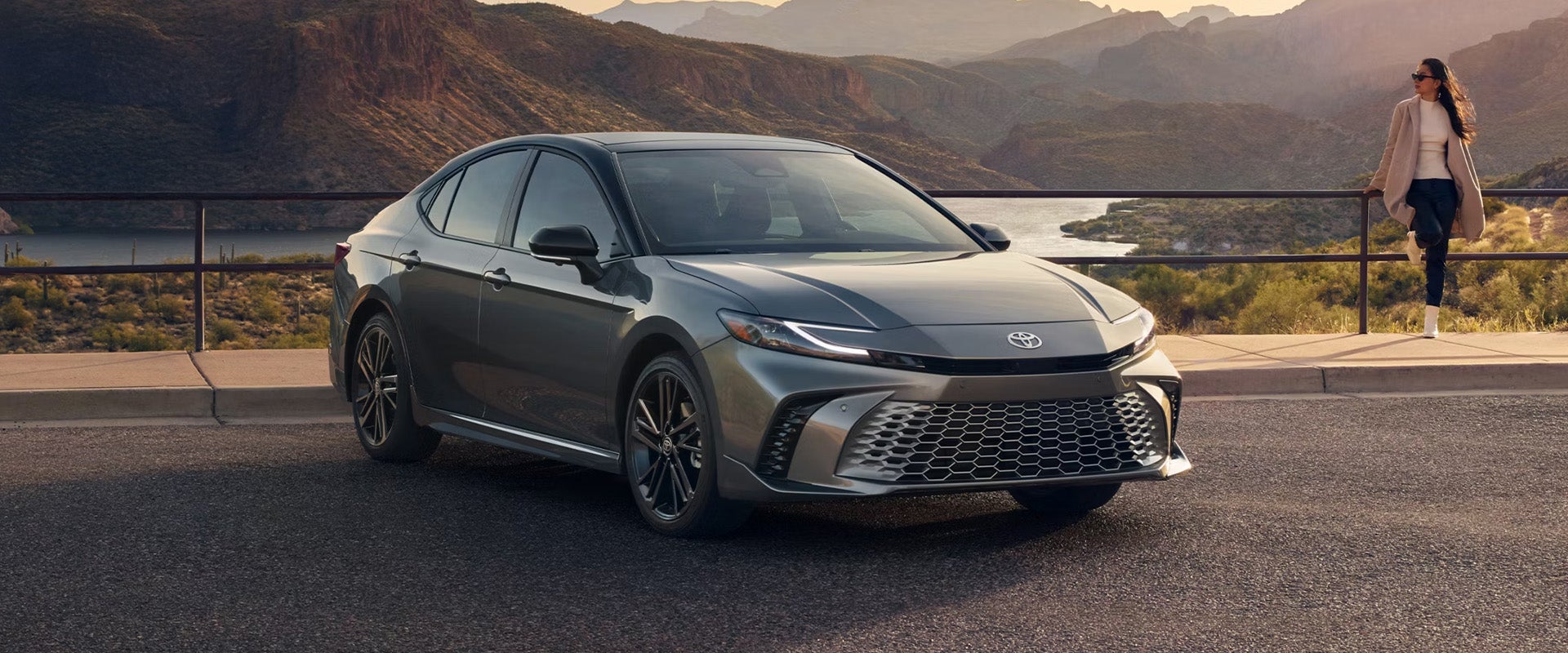
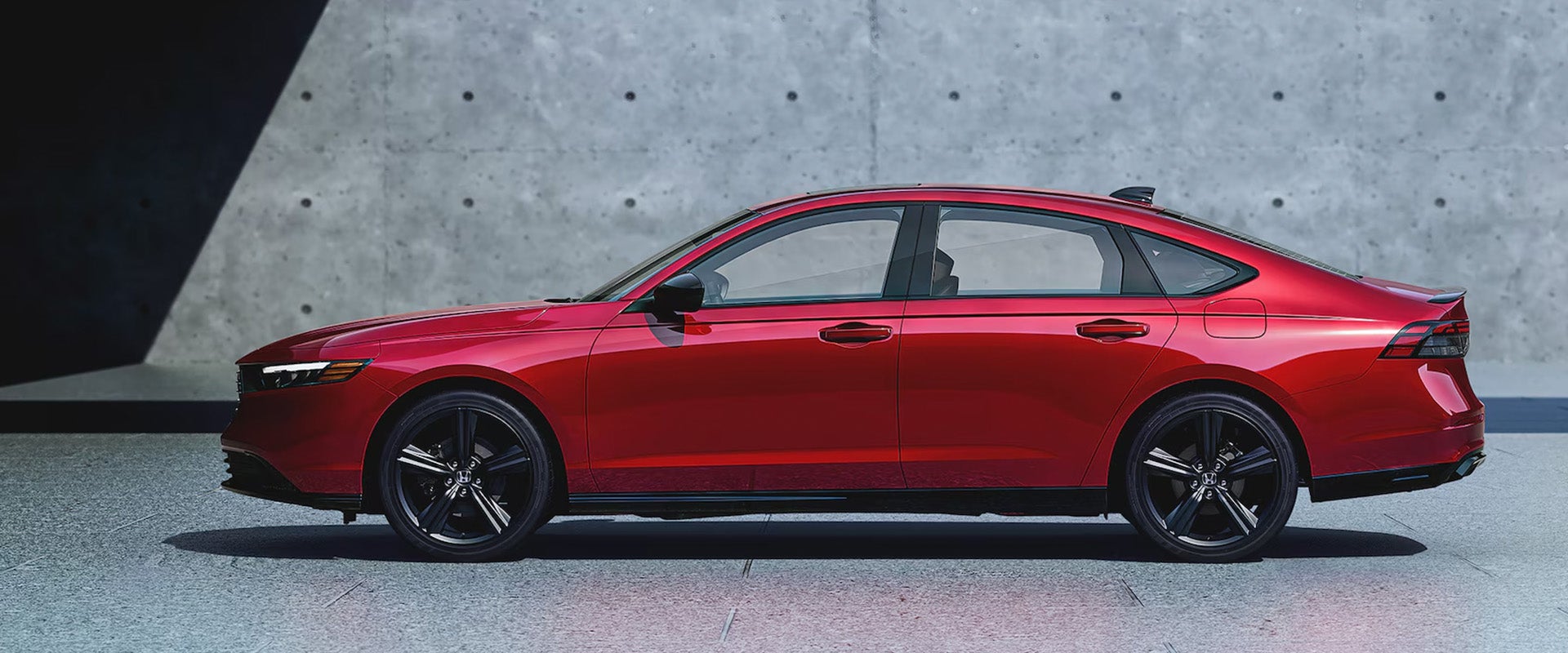
May not represent actual vehicle. (Options, colors, trim and body style may vary)
More Info
| Monday | 8:00AM - 6:00PM |
| Tuesday | 8:00AM - 6:00PM |
| Wednesday | 8:00AM - 6:00PM |
| Thursday | 8:00AM - 6:00PM |
| Friday | 8:00AM - 6:00PM |
| Saturday | 8:00AM - 6:00PM |
| Sunday | 11:00AM - 5:00PM |
| Monday | 7:30AM - 5:30PM |
| Tuesday | 7:30AM - 5:30PM |
| Wednesday | 7:30AM - 5:30PM |
| Thursday | 7:30AM - 5:30PM |
| Friday | 7:30AM - 5:30PM |
| Saturday | 8:00AM - 12:00PM |
| Sunday | Closed |
| Monday | 7:30AM - 5:30PM |
| Tuesday | 7:30AM - 5:30PM |
| Wednesday | 7:30AM - 5:30PM |
| Thursday | 7:30AM - 5:30PM |
| Friday | 7:30AM - 5:30PM |
| Saturday | 8:00AM - 2:00PM |
| Sunday | Closed |